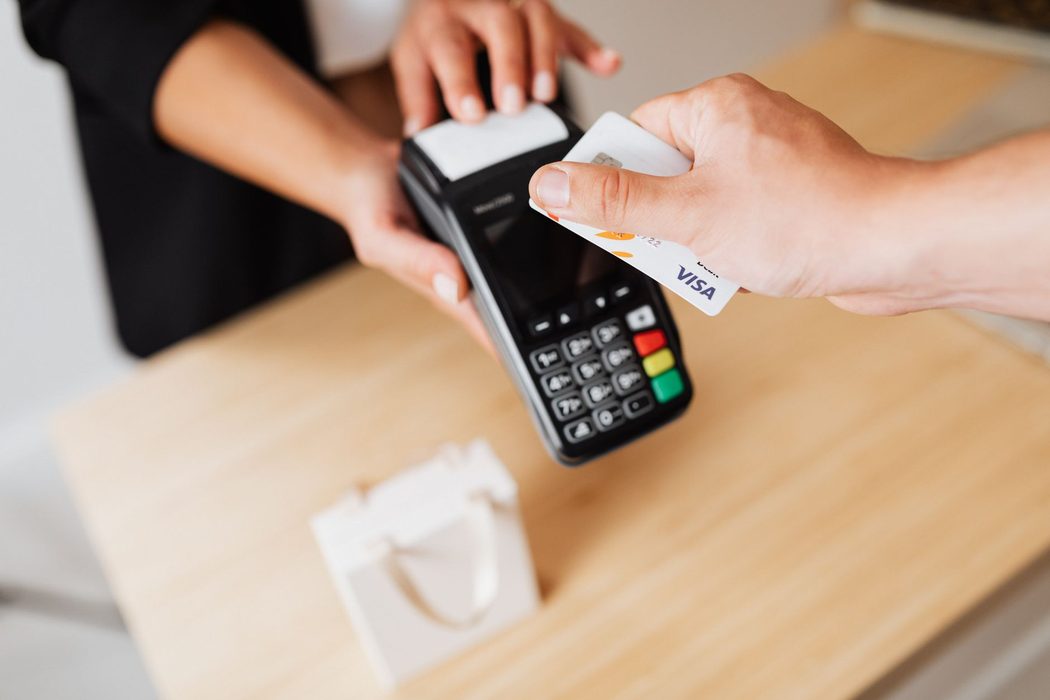
The simple answer, in one breath
A digital transaction is a short conversation about a promise, followed later by an actual movement of money. When you tap a card or confirm a transfer in an app, nothing physically travels. A message leaves your device describing what you want: an amount, a destination, and enough information to show the request came from you. Somewhere along the line a party decides whether to stand behind that request. If it does, you see an approval within a second or two and the cashier hands you the coffee. The money itself may not leave your account until hours later, and may not reach the other institution until an overnight batch is settled. The speed you feel and the speed of the funds are two different clocks, and most confusion about digital payments comes from assuming they are one.
Underneath that single breath sit five recognisable stages, and nearly every system uses some version of them: initiation, authentication, validation, processing and recording. Initiation is the request being created. Authentication answers whether this really is the account holder or their registered device. Validation asks whether the request should be allowed at all — sufficient funds, within daily limits, not matching a known fraud pattern. Processing moves the value, or the claim on value, between institutions. Recording writes the event into ledgers on both sides so the two sets of books can be compared later. The order is fairly stable; the timing is not. In some systems every check finishes before you see a result. In others a request is accepted provisionally and examined afterwards, which is why a payment can appear to succeed on a Friday and reverse on the Monday.
Who is actually in the conversation
A card tap at a grocery till usually involves at least five parties: you, the merchant, the merchant's payment processor, a network that routes the message, and the institution holding your account. A transfer between two people over a domestic transfer service has a different cast — your institution, a central switch, and the recipient's institution — and no merchant at all. A bill payment may end at a biller's own system that reads its incoming file once a day. Each party keeps its own rules, its own operating hours and its own definition of a completed transaction. So when something goes wrong, the useful question is rarely whether the payment worked. It is which of these parties currently holds the request, and what that party is waiting for before it passes it on.
This matters because the party you can actually talk to is usually not the party holding things up. Your own app can only report what it sent and what came back. It cannot see a receiving institution's internal review, a biller's batch schedule, or a merchant's decision to keep an authorisation open for several days on a fuel purchase or a hotel booking. That is why a support conversation almost always begins with a reference number: that string is the one detail every party in the chain can look up in its own records. Keeping it, together with the exact date, time and amount in CAD, turns a vague complaint into a traceable event. Without it, each party can only confirm that nothing obvious looks wrong on their own side, which resolves nothing.
Why the same tap behaves differently on different rails
The word instant does a lot of work in modern payments, and it usually describes the message rather than the money. Some systems are built to settle in real time, around the clock: the receiving account is credited within seconds, the funds are final, and there is no simple way to pull them back. Others authorise instantly but settle in batches, netting thousands of transactions between institutions at fixed points in the day. Others again — cheque-style clearing and pre-authorised file-based systems — run on schedules measured in business days and will not process anything on a weekend or a statutory holiday. Nothing on your screen distinguishes these three. The interface looks identical, while the underlying rail decides whether sent means gone, reserved, or simply queued for later.
Cut-off times are where this becomes concrete. Every batch-based system has an hour after which a request joins tomorrow's run instead of today's, and those hours are set by institutions rather than by statute, so they vary. A transfer submitted at 15:00 on a Thursday and one submitted at 19:00 the same day can land a full day apart; if the Friday is a holiday, three days apart. Provincial holidays complicate matters further, because a system may operate on a day that is a holiday in one province and an ordinary working day in another. This mechanism also explains the most common false alarm in everyday banking: money that has left one account and not yet appeared in the other is not missing. It is sitting in the gap between two clocks.
What a confirmation actually confirms
A confirmation screen is a statement by one party, about one step, at one moment. Approved on a card terminal means the issuing institution agreed to guarantee that amount to the merchant; it does not mean money has moved, and it does not mean the merchant has finished the sale. Sent in a transfer app means the request was accepted for processing. Completed in the recipient's app means their institution has credited their balance. Those are three different facts, produced by three different systems, and they can become true at different times or briefly disagree with each other. Reading the wording literally is the single most useful habit a payer can build. Where a confirmation is ambiguous, the accurate description is usually accepted — and acceptance is not the same thing as finality.
Records are how the parties eventually agree. Each institution writes the event into its own ledger with a timestamp, an amount and a set of identifiers, then compares its version against the others on a fixed cycle, a process generally called reconciliation. Most differences are ordinary and mechanical: an entry recorded on one side just before midnight and on the other just after, a hold that expired without ever being claimed, a refund travelling home along a slower path than the purchase took outbound. Reconciliation finds these and adjusts them. It is also why a statement is a more reliable account of events than a push notification: the notification describes an intention at the moment it was sent, while the statement describes what the ledgers finally settled on.